October 27, 2026
Choosing the right roofing membrane is an important decision for commercial property owners seeking durability, energy efficiency, and long-term protection. Thermoplastic polyolefin (TPO) and ethylene propylene diene monomer (EPDM) are widely used materials for flat and low-slope roofs. Although both provide dependable waterproofing capabilities, their composition, installation methods, maintenance requirements, and performance characteristics differ considerably.
Understanding these differences helps property managers and building owners make informed decisions about their commercial roofing investments. Factors such as climate, building design, energy consumption, and anticipated maintenance expenses can influence which membrane is most appropriate. Evaluating these considerations alongside the characteristics of each material can help ensure that the selected roofing system supports the property’s operational needs.
Understanding the Composition of TPO Membranes
TPO is a single-ply roofing membrane manufactured from a blend of polypropylene and ethylene-propylene rubber components. This thermoplastic material combines flexibility with resistance to environmental exposure, making it suitable for various commercial building applications. Manufacturers typically reinforce TPO membranes with a polyester scrim to improve tensile strength and dimensional stability.
A distinguishing characteristic of TPO is its reflective surface, which is commonly available in white or other light colors. These surfaces reflect a substantial portion of incoming sunlight, helping reduce heat absorption during warm weather. This characteristic can be particularly beneficial for buildings in regions experiencing prolonged periods of intense sunshine.
Understanding the Composition of EPDM Membranes
EPDM is a synthetic rubber roofing membrane recognized for its flexibility, weather resistance, and ability to accommodate temperature fluctuations. Its rubber-based composition allows the membrane to expand and contract as environmental conditions change without readily developing cracks or losing its protective properties.
Unlike TPO, which is commonly manufactured with a reflective surface, traditional EPDM membranes are generally black. This darker appearance absorbs more solar heat, which may offer advantages in colder climates where additional rooftop warmth can contribute to reduced heating demands. However, increased heat absorption may create challenges for buildings operating in consistently warm environments.
Comparing the Durability and Lifespan of Each Membrane
Durability plays a significant role in determining the overall value of a roofing investment. Both TPO and EPDM are engineered to withstand environmental exposure, but their resistance to particular conditions varies according to material formulation, installation quality, and maintenance practices.
TPO membranes generally provide resistance to ultraviolet radiation, chemical exposure, and surface deterioration. Their reinforced construction can also help resist punctures and mechanical stress. However, performance can vary between manufacturers, making product specifications and warranty coverage important considerations.
According to GAF Materials, commercial TPO roofing systems can be expected to last approximately 20 to 30 years. Actual service life depends on environmental conditions, installation practices, and ongoing roof maintenance.
EPDM membranes are recognized for their resistance to ozone exposure, ultraviolet degradation, and temperature extremes. Their flexibility can help accommodate normal building movement without compromising membrane integrity.
Comparing the Energy Efficiency of Each Membrane
Energy efficiency is an increasingly important consideration for property owners managing operating expenses. Roofing materials influence how much solar heat enters a building, potentially affecting indoor temperatures and cooling requirements.
TPO membranes are frequently selected for their reflective properties. Light-colored surfaces can reduce rooftop heat accumulation and help limit the amount of heat transferred into the building. This characteristic may contribute to improved cooling efficiency, particularly in commercial facilities with substantial roof exposure.
Traditional black EPDM membranes absorb more sunlight, potentially increasing rooftop temperatures during hot weather. However, this characteristic can be beneficial in colder regions where solar heat absorption may help offset heating demands. Reflective EPDM products and compatible coating systems may also be available when reduced heat absorption is desirable.
Comparing the Installation Requirements of Each Membrane
Installation methods represent another important distinction between TPO and EPDM systems. Both materials require professional application, careful preparation, and appropriate attachment methods to achieve dependable waterproofing performance.
TPO membranes typically rely on heat-welded seams. Specialized equipment applies controlled heat to adjoining membrane surfaces, allowing them to bond together. Properly completed welds create durable connections that can resist moisture intrusion and environmental stress.
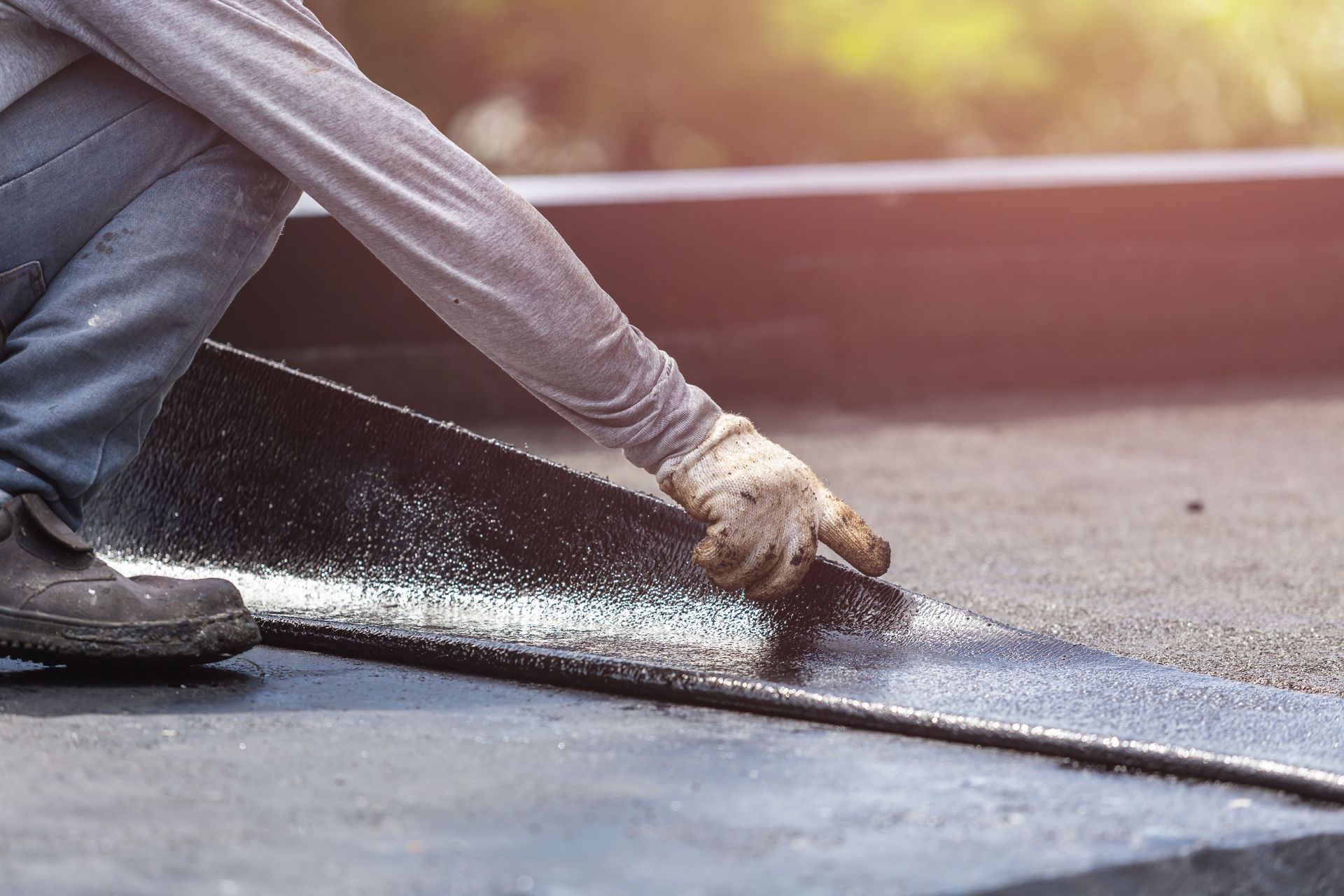
EPDM installation generally involves adhesives, seam tapes, or compatible fastening systems. The membrane’s flexibility can simplify accommodation of certain roof configurations, but successful installation depends on proper material compatibility and careful seam preparation.
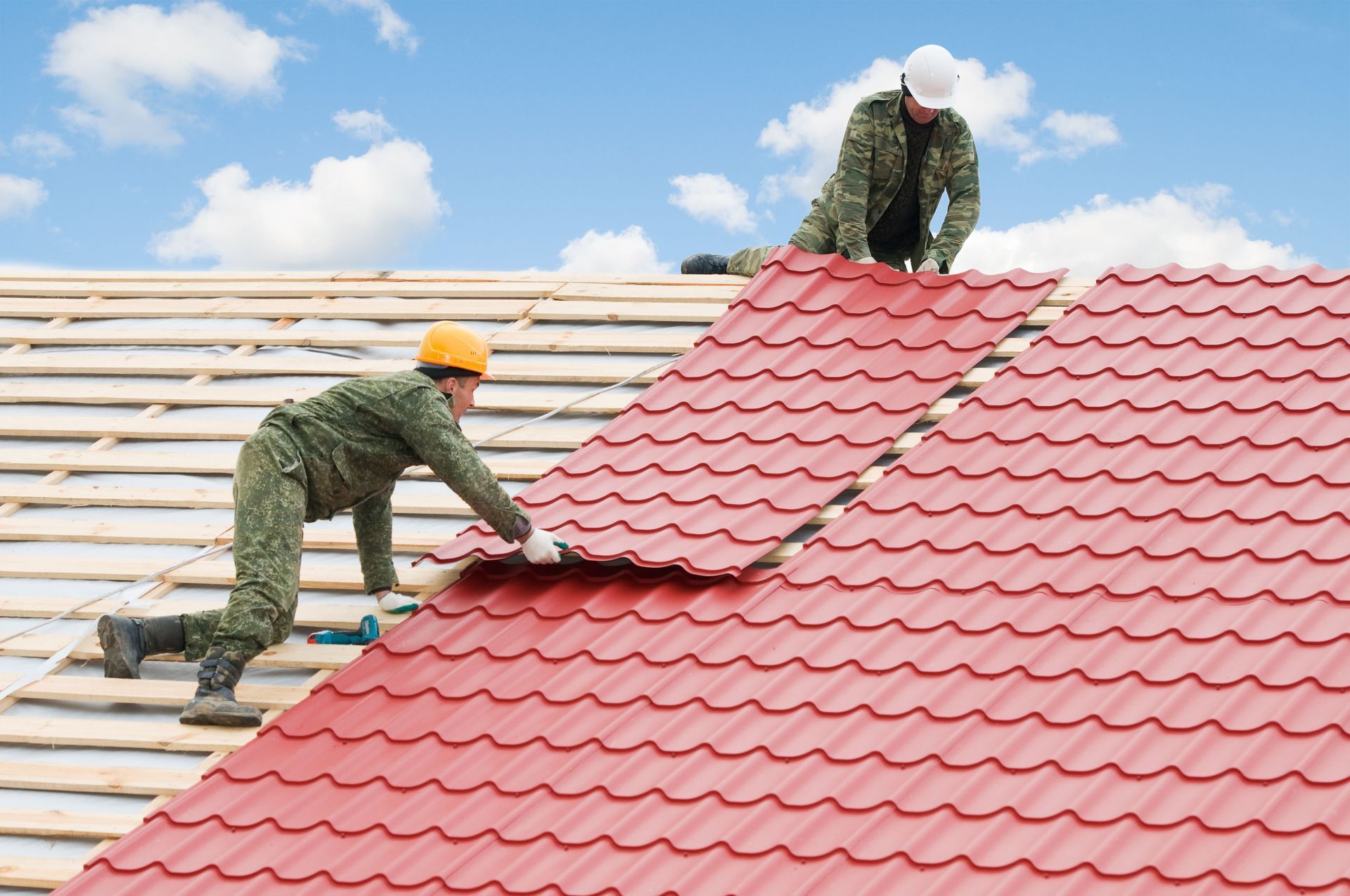
Both systems may be mechanically attached, fully adhered, or incorporated into other approved roof assemblies, depending on manufacturer requirements and building conditions. Installation complexity can also vary with rooftop equipment, drainage features, and penetrations.
Comparing the Maintenance Requirements of Each Membrane
Maintenance is essential for preserving the protective capabilities of commercial roof membranes. Although TPO and EPDM are designed for long-term performance, neither material is completely maintenance-free.
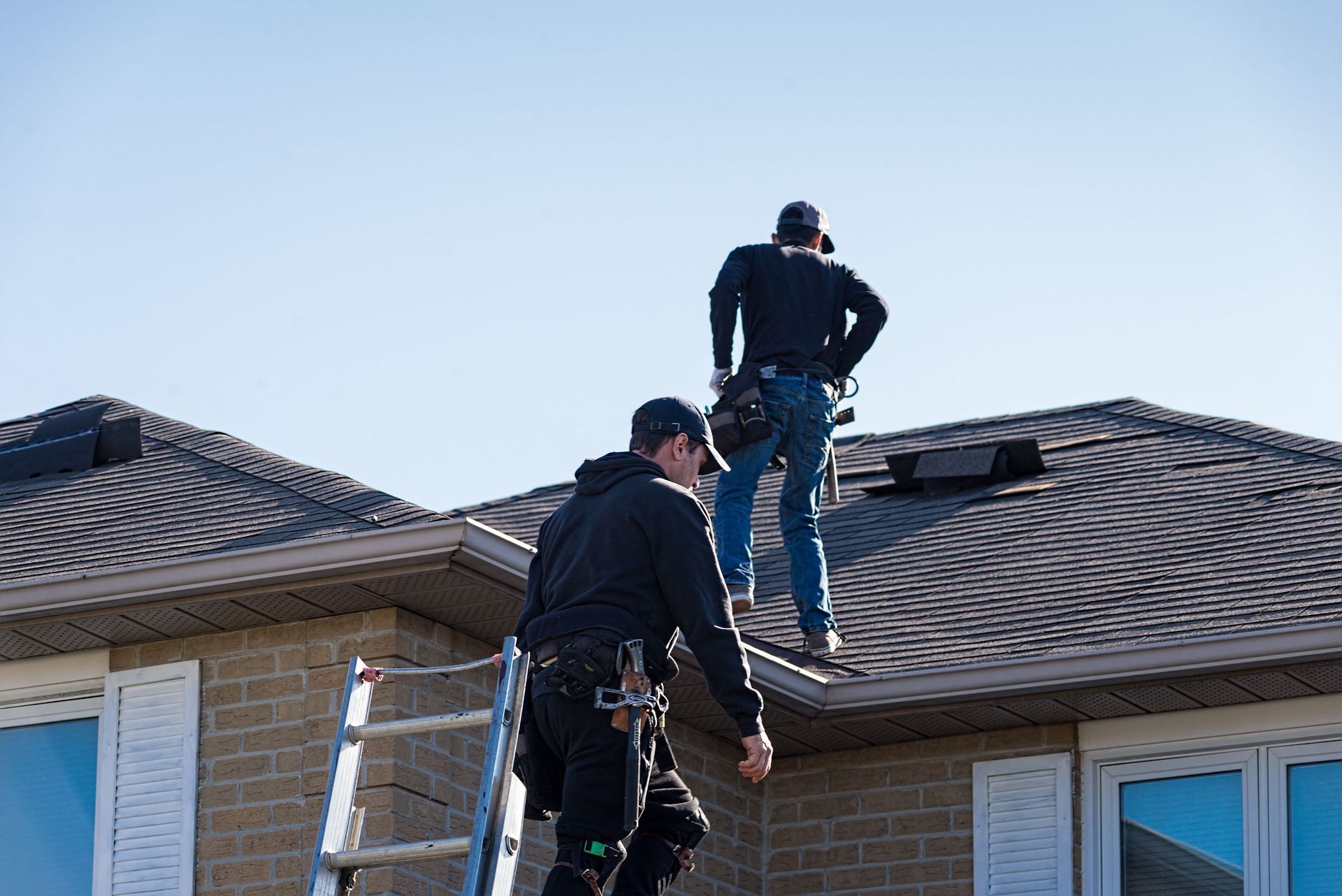
TPO roofs benefit from periodic inspections that examine welded seams, flashing connections, drainage components, and areas exposed to frequent foot traffic. Accumulated debris and standing water should also receive attention because prolonged moisture exposure can contribute to deterioration of roofing components.
EPDM roofs require similar inspections, with particular attention given to adhesive connections, seam tapes, and areas surrounding rooftop penetrations. Changes in temperature and repeated movement can place stress on vulnerable connections over time.
Both systems may experience punctures or localized damage from maintenance equipment, falling debris, or rooftop activities. Prompt identification and professional repair help prevent minor defects from developing into extensive moisture problems.
A consistent maintenance program supports the performance of either commercial roofing membrane. Documented inspections can also help property managers monitor roof conditions, plan repairs, and make informed decisions about future replacement needs.
Comparing the Costs and Long-Term Value of Each Membrane
Initial installation expenses are important, but they should not be the only consideration when comparing roofing materials. The overall cost of ownership includes installation, maintenance, energy consumption, repairs, and eventual replacement.
TPO installation costs can vary depending on membrane thickness, attachment methods, insulation requirements, and roof complexity. Its reflective properties may offer operational savings in warm climates, although the financial benefit depends on building characteristics and energy usage.
EPDM can provide competitive installation costs, particularly when project conditions accommodate straightforward membrane application. Its flexibility and established durability may also contribute to predictable maintenance planning.
Labor availability, material specifications, warranty provisions, and local market conditions influence pricing for both systems. A lower initial estimate does not necessarily indicate better long-term value if the selected material requires more frequent repairs or performs poorly under local conditions.
Property owners evaluating commercial roofing options should consider lifecycle expenses and expected building usage. A balanced assessment provides a clearer understanding of the financial implications associated with each membrane.
Comparing the Suitability of Each Membrane for Different Buildings
Selecting between TPO and EPDM ultimately requires consideration of the building’s specific characteristics and operating environment. Neither membrane is universally appropriate for every commercial application.
TPO may be particularly attractive for facilities in warm climates, buildings with substantial cooling demands, or properties where reflective roofing supports energy management objectives. Its welded seams can also provide advantages when dependable moisture protection is a primary concern.
EPDM may appeal to properties experiencing significant seasonal temperature fluctuations or requiring a flexible membrane capable of accommodating normal structural movement. Its established weather resistance makes it suitable for various low-slope roofing applications.
Roof drainage, equipment placement, insulation needs, and anticipated maintenance access should also influence material selection. An experienced contractor can evaluate these factors alongside the property’s budget and performance expectations.
Understanding how each membrane responds to environmental and structural conditions helps building owners avoid decisions based solely on material popularity or initial pricing.
Choosing the Right Membrane for Long-Term Protection
TPO and EPDM membranes offer distinct advantages for commercial buildings. TPO provides reflective surfaces, heat-welded seams, and resistance to various environmental conditions. EPDM offers flexibility, weather resistance, and an established history of performance across different climates.
The most appropriate choice depends on the building’s location, energy requirements, structural characteristics, maintenance expectations, and financial priorities. Careful consideration of these factors can help property owners select a roofing system that delivers reliable protection while supporting long-term operational efficiency.
Choosing between TPO and EPDM requires a thorough understanding of the property’s roofing needs. At Design Roofing, we help commercial property owners evaluate available materials and identify solutions suited to their buildings. Our team can discuss system characteristics, maintenance considerations, and installation requirements to support informed decisions. Contact us to learn more about our commercial roofing services and explore the options available for your property.