March 17, 2026
Deciding whether to repair or replace a leaky roof can be a daunting task for any homeowner. Roofs are critical to protecting your home from weather, water damage, and structural issues, so making the wrong choice can have long-term consequences. Factors such as the extent of damage, the age of the roof, the material type, and the overall cost all play a role in determining the best course of action. Understanding these factors helps homeowners make an informed choice that maintains both the safety and value of their property.
What Are the Signs You Need to Repair Your Leaky Roof?
Recognizing the early warning signs of a leaky roof can prevent small problems from turning into major expenses. Water stains on ceilings or walls, visible mold growth, and missing or damaged shingles are common indicators that repair may be necessary. A soft or sagging roof deck, dripping water inside the attic, or loose flashing around chimneys and vents are also key signs.
According to Today’s Homeowner, if your roof is under 15 years old and the damage is minor, repair is generally the preferred option. Minor leaks, isolated damage, or small areas of missing shingles can often be addressed quickly, allowing homeowners to extend the life of their existing roof without a full replacement. Repairing a leaky roof at this stage can prevent water from seeping into insulation, framing, or ceilings, ultimately reducing the risk of mold and structural damage.
When Is Replacing a Leaky Roof More Cost-Effective?
While repairs can be sufficient for minor leaks, there are situations where replacing a leaky roof is the smarter investment. Multiple repairs over a short period, widespread damage, or an aging roof nearing the end of its life often indicate that replacement may be more cost-effective. Replacing a roof can eliminate repeated repair expenses and improve the overall energy efficiency of a home, as newer roofing materials often provide better insulation and reflectivity, reducing heating and cooling costs.
In addition, a roof that has experienced significant water damage, sagging, or missing sections may no longer protect your home adequately. Even if leaks are temporarily patched, underlying structural issues can continue to worsen, leading to problems like rotting wood, weakened trusses, and compromised roof decking. A full replacement ensures a consistent barrier against weather, helping prevent issues like interior water damage, insulation deterioration, and weakened structural components. Newer roofs can also accommodate modern upgrades, such as improved ventilation, energy-efficient underlayment, or solar panel installations, which further enhance the home’s value and functionality.
Homeowners facing frequent leaks or a roof older than 20 years should strongly consider replacement, as continual repairs can quickly become more expensive than installing a new roof. Moreover, a replaced roof provides peace of mind, reducing the risk of emergency repairs, insurance claims, or damage to personal belongings. In many cases, investing in a full replacement now can prevent costly structural repairs and extend the overall lifespan of the home, making it a sound long-term decision.
What Are the Costs Involved in Repairing Versus Replacing a Leaky Roof?
The cost comparison between repairing and replacing a leaky roof varies depending on material, labor, and the extent of damage. A typical roof repair can range from a few hundred to a few thousand dollars, depending on the size of the affected area and the complexity of the repair. Repairs are usually quicker and less disruptive but may require recurring maintenance if the underlying structure is aging or compromised.
On the other hand, roof replacement is a larger investment, often costing several thousand to tens of thousands of dollars, depending on the size of the home and the type of material chosen. While the upfront cost is higher, replacement eliminates ongoing repair expenses and adds long-term value to the property. Choosing replacement may also provide an opportunity to upgrade to more durable materials or improve insulation, which can reduce heating and cooling costs over time.
Ultimately, understanding both immediate and long-term financial implications is critical. A repaired leaky roof might be sufficient for short-term protection, but a replacement can prevent repeated emergencies and maintain home equity.
How Do Materials Affect Your Decision on Repairing or Replacing a Leaky Roof?
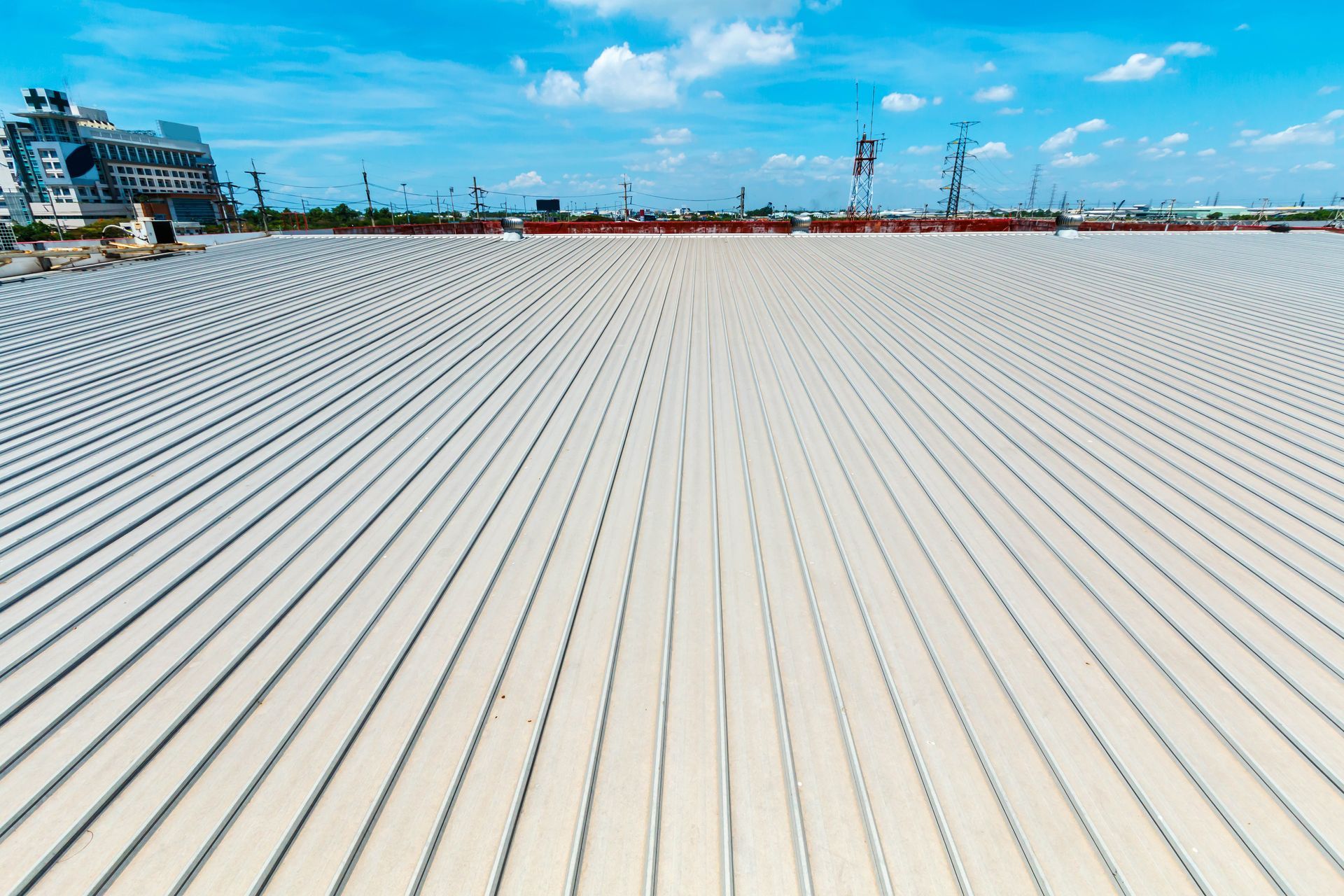
The type of roofing material plays a significant role in deciding whether to repair or replace a leaky roof. Asphalt shingles, which are the most common roofing material, typically last 20 to 30 years. Minor leaks or missing shingles on an asphalt roof can often be repaired effectively. In contrast, materials like metal, slate, or tile have much longer lifespans but can be more costly to replace.
Metal roofs, for example, are durable and resistant to severe weather but require specialized labor for repairs. Slate and tile roofs are long-lasting and visually appealing, but may be prone to breakage under impact or heavy foot traffic. If your roof is made from these higher-end materials, repairing minor leaks may be more cost-effective in the short term, while replacement could be justified if the roof is aging or widely damaged.
The condition of the roof deck and underlayment is another critical consideration. Even with high-quality materials, water damage or rot beneath the surface may necessitate replacement. Understanding how materials age, their repairability, and their long-term costs will help homeowners make the best decision for their specific leaky roof.
How Can You Prevent Future Leaks After Repairing or Replacing Your Roof?
Preventing future leaks requires a proactive approach, regardless of whether your roof is repaired or replaced. Regular inspections, particularly after storms or heavy rainfall, help identify potential weak points before they become serious problems. Cleaning gutters and downspouts prevents water from pooling and seeping into roofing materials, while trimming overhanging tree branches reduces the risk of impact damage and debris accumulation. Homeowners should also check for signs of wear around chimneys, skylights, and roof vents, as these areas are especially prone to leaks.
For repaired roofs, ensuring proper sealing of flashing, shingles, and venting areas is essential. Applying a waterproof coating to vulnerable areas can extend the life of the repair. Additionally, reinforcing loose or aged shingles and promptly replacing damaged underlayment can prevent small issues from escalating into larger leaks. For new roofs, selecting high-quality materials and professional installation is key to minimizing the likelihood of future leaks. Proper attic ventilation and insulation also help prevent ice dams and condensation, which are common contributors to leaky roofs in certain climates.
Routine maintenance combined with timely repairs at the first sign of damage can keep a roof in optimal condition for decades. Preventative care not only protects your home but also maximizes the return on investment for both repairs and replacements. Homeowners may also consider seasonal checklists, documenting any changes or damage, which can help catch subtle problems early and reduce the risk of emergency repairs in the future.
Deciding whether to repair or replace a leaky roof depends on multiple factors, including the extent of damage, age, material, and cost. Minor leaks on a roof under 15 years old can often be addressed with repairs, according to Today’s Homeowner, while widespread damage or an aging roof may justify replacement. Evaluating your specific situation, understanding costs, and implementing preventative measures will help ensure that your roof continues to protect your home and maintain its value. Addressing a
leaky roof promptly, whether through repair or replacement, safeguards your property and provides peace of mind for years to come. If you need repairs or a roof replacement, reach out to the professionals at Design Roofing today!