What to Do When You Have a Leaky Roof
Discovering a leaky roof can be alarming, but acting quickly can significantly reduce damage and help you avoid costly repairs. When water finds its way into your home, even a small leak can lead to structural issues, mold growth, and damaged insulation if left unaddressed. Knowing what to do right away—and what steps to take next—can make all the difference.
This article outlines practical actions to take when a roof leak occurs, from safely identifying the source and minimizing interior damage to arranging timely repairs and preventing future problems. Proactive maintenance plays a critical role in avoiding emergencies altogether. According to Allstate, a standard recommendation is to have your roof professionally inspected at least once a year, as routine inspections can uncover minor issues before they escalate into major leaks.
By staying informed and taking preventive measures, homeowners can better protect their property, extend the lifespan of their roofing system, and maintain peace of mind—even when unexpected issues arise.
Identifying the Source of the Leak
Inspecting the Attic
First, head to your attic, which is the uppermost portion of your house, to start tracing the leak. Use a flashlight to help you navigate and spot any tell-tale signs such as damp insulation or dark streaks on rafters. It's important to be cautious as you move around in the attic, ensuring you step safely on the joists to avoid accidents. Additionally, note any strong, musty odors that could indicate moisture build-up. By carefully examining your attic, you can often pinpoint the starting location of the leak.
Checking for Roof Penetrations
Roof penetrations are common culprits when it comes to leaks. Areas around chimneys, skylights, and vents are particularly susceptible to water seepage. Carefully inspect these areas both from the inside of your attic and from your roof. Pay special attention to any broken or missing shingles, as they can create entry points for water. By understanding where penetrations occur, you can more easily identify and address potential vulnerabilities.
Looking for Water Stains
Water stains on your ceiling or walls are clear indicators of a leak. They often appear as discolored patches that can range from light yellow to dark brown. These stains might not always align with the actual source of the leak, as water can travel along pipes and beams. Therefore, while a water stain is a valuable clue, further investigation may be required to find the leak's origin. By recognizing these signs and their implications, you can address the leak more efficiently.
Examining Roof Flashings
Metal flashings around chimneys, dormers, and other structures are intended to create a water-tight seal. Over time, however, these flashings can deteriorate, become dislodged, or be improperly installed, leading to leaks. Regularly inspecting these areas ensures that they remain intact and functional. Look for any visible cracks, rust spots, or gaps that could allow water to enter. Understanding the role of flashings in roof integrity is key to preventing and identifying leaks.
Documenting the Damage
Taking Photographs
Photographs serve as vital evidence when dealing with insurance claims. Capture detailed images of all affected areas, making sure to include close-ups and wide shots. It's equally important to take pics of the involved structural elements, furniture, and any personal items that have incurred damage. Consistent documentation provides unequivocal proof of the extent of the damage for insurers. By having clear visual records, you streamline the claims process.
Writing Descriptions
In addition to visual evidence, written descriptions offer another layer of documentation. Detail the extent of the damage and the measures you have taken to contain it. Make notes of dates, times, and conditions related to the incident. This written log will be beneficial not just for insurance purposes but for future repair efforts. Comprehensive record-keeping is an invaluable aspect of managing a leaky roof crisis efficiently.
Saving Damaged Materials
Retain samples of any damaged materials like shingles, drywall, or insulation. These samples not only serve as physical evidence for insurance claims but also assist repair professionals in matching materials for restoration. Proper labeling and storing of these items will help establish their relevance. This practice is instrumental for insurance assessors and can expedite the claims procedure. Ensuring complete and accurate documentation will support your case.
Contacting Your Insurance Company
Engaging with your insurance provider is a critical step in addressing a leaky roof effectively. Report the incident as soon as possible to initiate the claims process. Be prepared to provide all the documentation, including photographs and written descriptions. By communicating promptly with your insurer, you can expedite the claims process and begin repairs sooner. Effective insurance engagement is key to achieving financial and property recovery.
Applying Temporary Roof Fixes
Tarping the Roof
Applying a tarp over the affected area is a common temporary solution to prevent further water ingress. Carefully secure the tarp with nails or rope, ensuring it covers the damaged section adequately. It's crucial to exercise caution when installing a tarp, as working on a roof poses safety hazards. A well-placed tarp buys time for you to make arrangements for permanent repairs. While temporary, this fix can significantly mitigate potential damage during rain.
Using a Roof Sealant
Roof sealants can be employed for minor leaks and cracks as a stop-gap measure. These sealants are usually found in hardware stores and are available in silicone or asphalt-based formulations. Application generally involves cleaning the area, applying the sealant, and allowing it to cure as per the manufacturer's instructions. While a temporary fix, it can be instrumental in minimizing immediate water ingress. Read the manufacturer's guidelines thoroughly for optimal results.
Applying Roofing Tape
Roofing tape offers another quick solution for emergency repairs. This waterproof, adhesive material can cover cracks, small gaps, or missing shingles. Before application, ensure the area is clean and dry for the tape to adhere properly. Roofing tape can serve as a strong emergency patch, stalling further water damage until more permanent solutions are found. Readily available, it's a valuable tool in your immediate response toolkit.
Applying Temporary Roof Fixes
Scheduling Regular Roof Inspections
Proactive roof management is key in preventing future leaks. Scheduling regular inspections, preferably once a year as recommended by experts like Allstate, helps identify and address minor issues before they escalate. Professional inspections can spot potential problems that might not be obvious to an untrained eye. By adhering to a consistent inspection schedule, you are better equipped to maintain your roof's integrity. Regular assessments result in long-term savings by avoiding costly repairs.
Maintaining Gutters and Downspouts
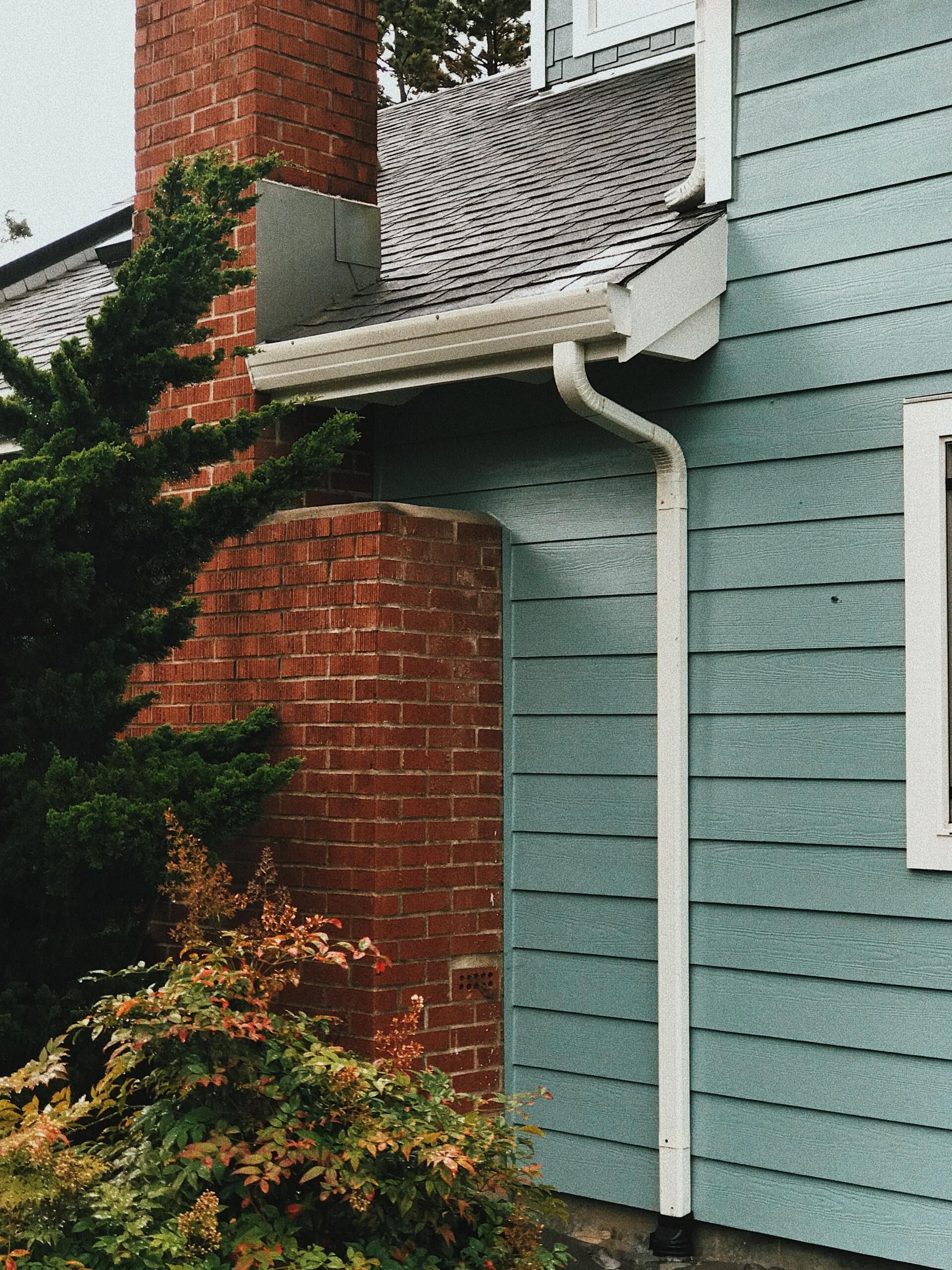
One preventive measure for a leaky roof is keeping your gutters and downspouts clear of debris. Blocked gutters can lead to water accumulation, which increases the risk of leaks and roof damage. Regular cleaning ensures optimal water flow and protects your roof’s structure. It is also advisable to check for any signs of rust or damage and address them promptly. A sound gutter system is a vital part of your home's defense against water-related issues.
Trimming Overhanging Trees
Trees are a beautiful addition to any yard, but branches that overhang your roof can pose risks. Falling leaves can clog gutters, and branches can damage shingles or flashings during storms. Regularly trimming trees near your home minimizes their potential negative impact. It also reduces shade over your roof, permitting solar heating that can help eliminate moisture buildup. Balancing vegetation management helps maintain your roof’s health and longevity.
Dealing with a leaky roof requires prompt action and informed decisions to minimize damage and costs. By identifying the problem, containing damage, seeking professional help, and implementing preventive measures, you can protect your home and avoid future headaches. Through a balanced combination of immediate responses and long-term strategies, homeowners can effectively manage and safeguard their properties.