January 15, 2026
Selecting the right roofing material is one of the most important decisions a homeowner makes, influencing long-term durability, appearance, and overall value. Among all available options, asphalt shingles continue to stand out as the most widely used roofing system across residential properties. Their popularity comes from a unique balance of performance, affordability, and versatility, making them a reliable solution for both new construction and roof replacement projects.
Why Asphalt Shingle Roofs Remain the Most Popular Roofing Type – Introduction
Choosing the right roofing material carries long-term implications for home safety, appearance, and value. Across neighborhoods and different climates, asphalt shingles continue to be the most used roofing material, preferred by homeowners, contractors, and local roofers for both residential and commercial structures. Their popularity comes from their balance of cost, performance, installation ease, visual appeal, and long-term reliability. Asphalt shingles consistently outperform alternatives in overall market adoption, making them the dominant option for homeowners seeking durable, attractive, and affordable roofing solutions.
Beyond their widespread use, asphalt shingles offer homeowners exceptional flexibility in style and function. With a variety of color palettes, textures, and dimensional designs available, shingles can be tailored to complement any architectural style—from traditional homes to modern builds. This versatility allows property owners to elevate curb appeal without exceeding their budget, making asphalt shingles an attractive option for those wanting both visual quality and proven performance.
Maintenance and repair accessibility also contribute to their continued popularity. Unlike more complex roofing systems, asphalt shingles can be replaced or repaired with minimal intrusion and at cost levels that suit both routine upkeep and unexpected damage. This convenience appeals to homeowners who want long-term protection without high service expenses. As roofing technology evolves, enhanced shingle formulas now offer better wind resistance, algae protection, and energy efficiency, reinforcing asphalt as a dependable, future-focused roofing choice.
Cost-Effectiveness and Financial Value
Asphalt shingles remain one of the most budget-friendly roofing choices available. Their manufacturing and installation processes are less costly than metal, clay, or slate, allowing homeowners to complete roofing projects at a significantly lower price. This affordability makes asphalt shingles an ideal option for first-time buyers and individuals renovating on a budget. Routine upkeep remains simple, requiring only periodic inspections and minimal repair work. Local roofers frequently recommend asphalt shingles because maintenance costs remain predictable over time. According to Today’s Homeowner, asphalt roofs generally last 15 to 20 years, offering strong return on investment with proper care. Even when compared to more premium options, asphalt shingles provide an excellent balance of price and durability. Their accessible pricing, broad market availability, and variety of product grades allow buyers to match cost to expected lifespan without compromising home protection or structural performance.
Durability and Weather Performance
The durability of asphalt shingles plays a major role in their widespread appeal. A typical asphalt shingle roof offers a service life of 15 to 20 years, delivering long-term protection at a price most homeowners find reasonable. Improvements in shingle composition, granule adhesion, and fiberglass reinforcement have increased resistance to cracking, fading, and wind damage. Shingles shed water effectively, reducing leak risks and moisture intrusion. UV-protective coatings help slow weathering and maintain appearance, which is one reason local roofers continue to recommend them in sunny regions. In areas prone to storms, reinforced products withstand higher wind uplift and temperature fluctuation without failing prematurely. Climate-specific options exist, allowing homeowners to select shingles optimized for heat, cold, humidity, or coastal exposure. With proper installation and scheduled inspections, asphalt shingles reliably handle seasonal changes and everyday weather conditions.
Aesthetic Versatility and Design Appeal
Asphalt shingles offer more visual flexibility than almost any other roofing type. Available in a wide range of colors, finishes, and dimensional styles, they allow homeowners to tailor roof aesthetics to their architecture. Traditional dark tones provide a classic look, while earth colors, bold reds, greens, and modern cool-tone options add customized personality. Textured and architectural shingles can mimic wood shake or slate at a fraction of the cost, providing high impact curb appeal without premium-grade pricing. This makes asphalt shingles attractive to homeowners—and to local roofers seeking versatile design solutions—because they complement colonial homes, craftsman builds, modern exteriors, and rustic styles with equal effectiveness. Combined with ongoing advances in color retention and granule layering, asphalt shingles provide both beauty and performance, enhancing home value through improved exterior presentation.
Ease, Speed, and Savings in Installation
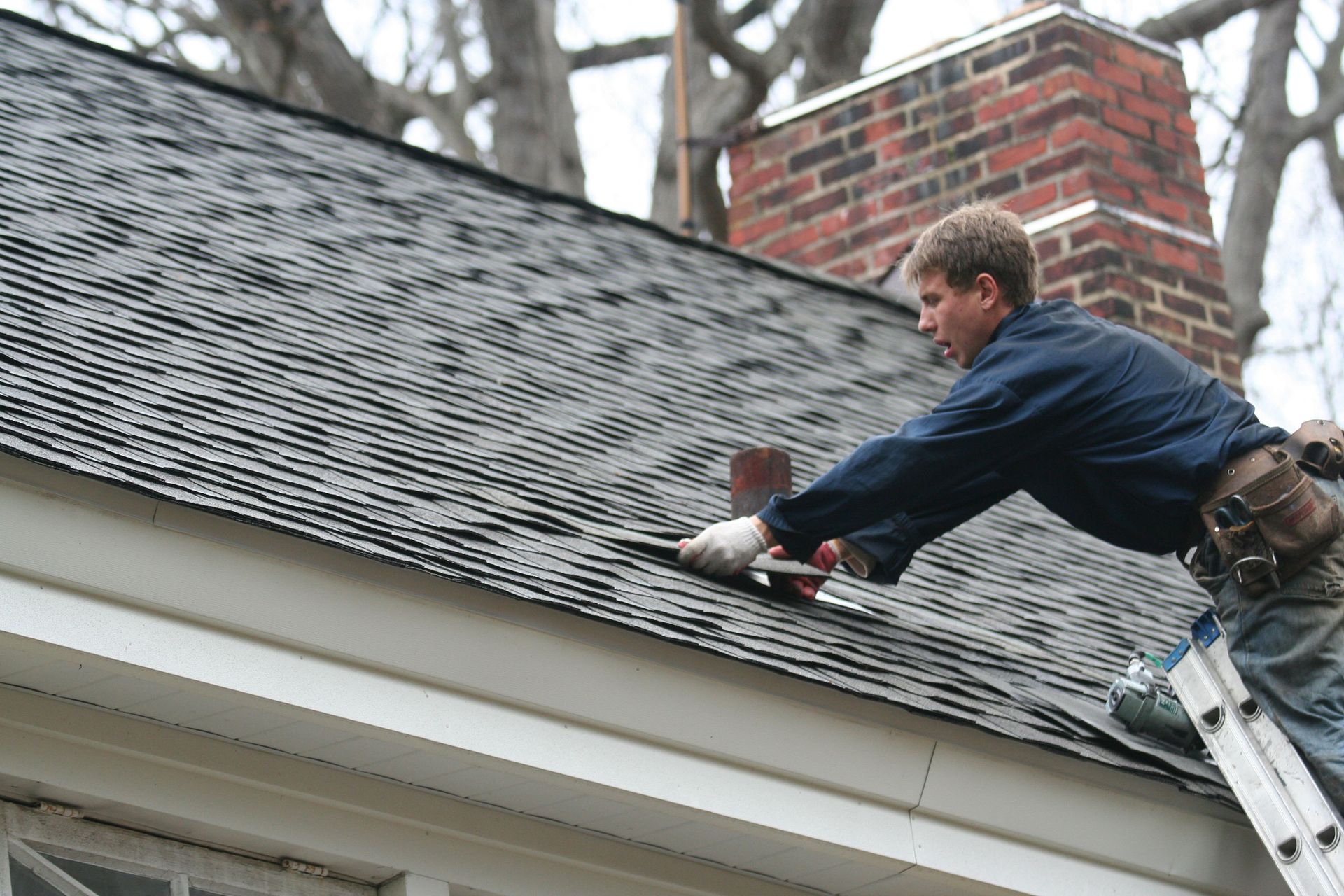
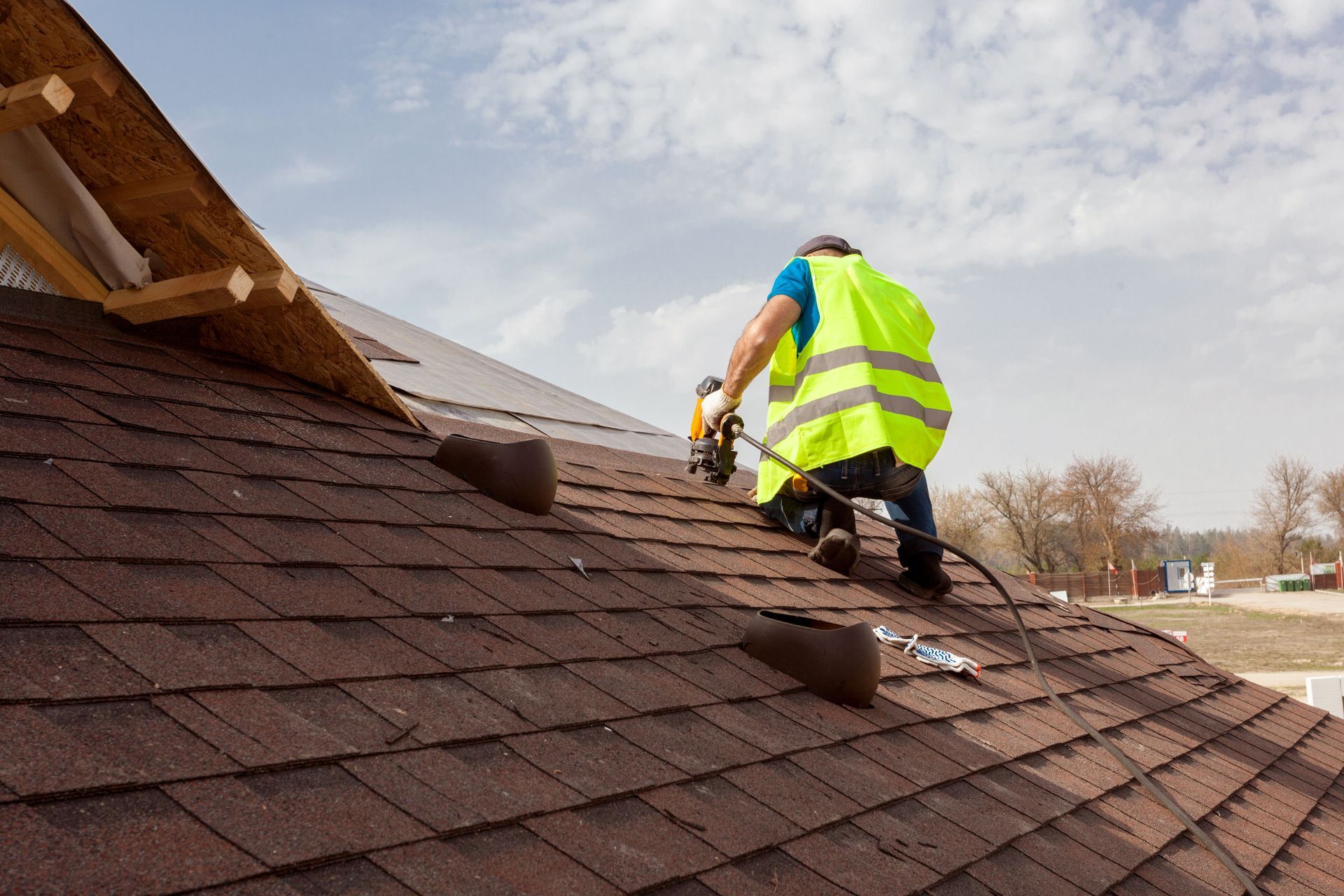
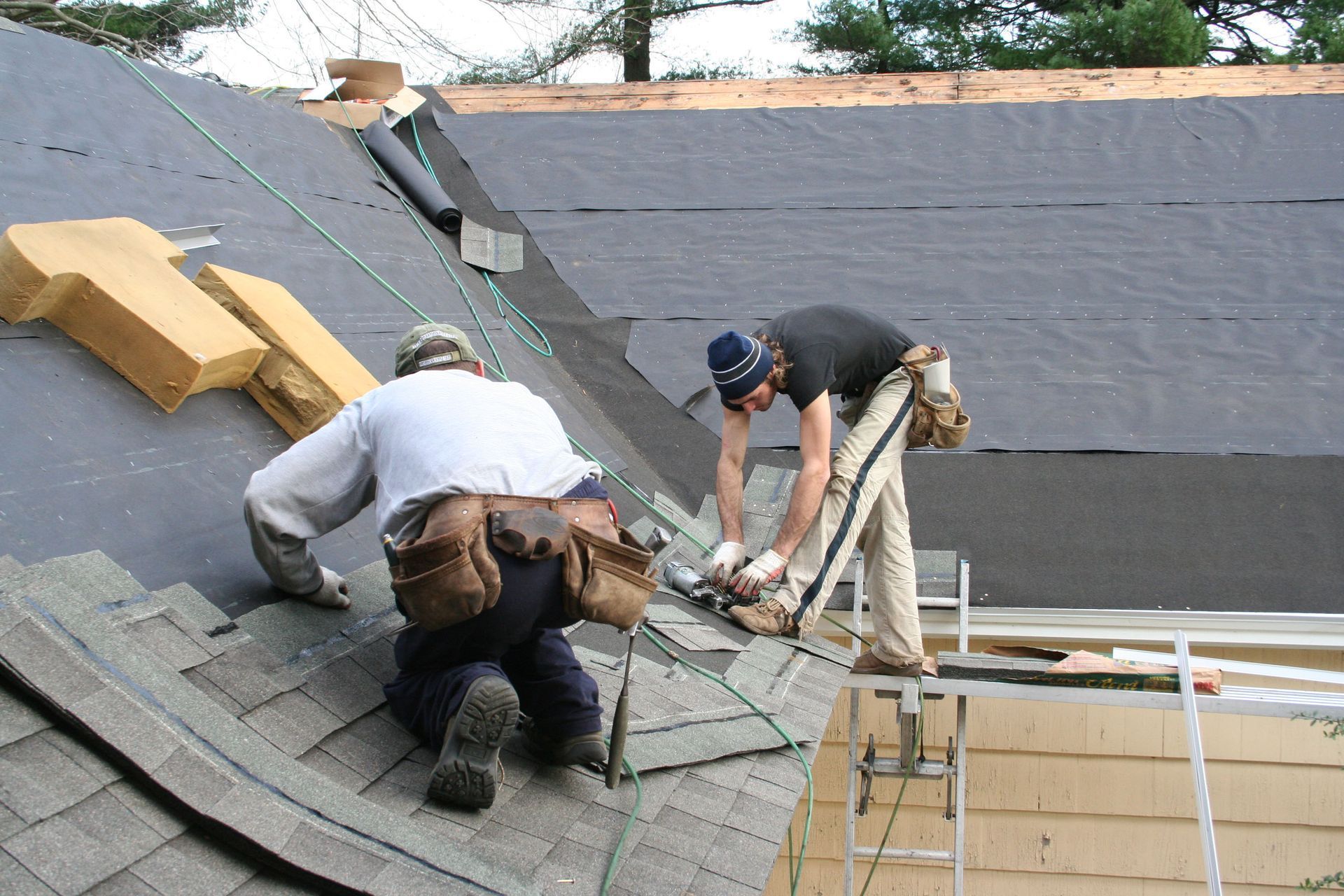
Asphalt shingles remain one of the easiest roof systems for professionals to install efficiently, reducing project duration and labor cost. Their lightweight construction improves handling and speeds placement, meaning homeowners experience shorter installation timelines and less disruption. The straightforward application method lowers labor expenses and makes asphalt shingles one of the most accessible products for qualified contractors. DIY-capable homeowners can handle minor repairs themselves, though larger installations should remain the responsibility of trained local roofers to ensure compliance with roofing standards and safety practices. In many projects, shingles can be installed over an existing layer when approved by building code, further decreasing material disposal and labor requirements. Faster installation combined with lower workforce cost is a major contributor to why asphalt shingles remain an industry favorite.
Environmental Considerations and Sustainability
Modern sustainability improvements have strengthened the environmental profile of asphalt shingles. Many communities now offer shingle recycling, converting used roofing into asphalt for paving rather than sending it to landfills. This reuse potential appeals to eco-conscious homeowners and supports ongoing waste-reduction efforts. Reflective shingle technology helps lower summertime cooling expenses by limiting heat absorption, and proper insulation beneath the roof reduces heat loss in winter. Manufacturers continue working to decrease production-related emissions and improve material responsibility. Some brands offer shingles produced with renewable resource blends or energy-saving cool roof additives. As environmental expectations evolve, these innovations keep asphalt shingles relevant, resilient, and aligned with sustainable home building trends. Local roofers increasingly highlight recyclable and reflective shingle options when discussing roofing choices with homeowners seeking greener upgrades.
Adaptability to Different Climates
One of the greatest advantages of asphalt shingles is their ability to perform well in nearly any climate. Homes in wet regions benefit from shingles designed to shed water quickly, preventing moisture intrusion and mold development. Hot-climate shingles incorporate reflective pigments to reduce heat absorption, protecting attic insulation and lowering interior temperatures. Cold-weather formulations maintain flexibility and reduce the risk of cracking during freeze-thaw cycles. For homes exposed to strong winds or storms, manufacturers offer shingles tested for high wind resistance, appealing to local roofers in coastal and tornado-prone areas. Insulative benefits also improve energy efficiency across seasonal temperature swings, keeping homes more comfortable while reducing heating and cooling demand. Regional certifications and performance testing standards help ensure asphalt shingles meet expectations for durability and safety wherever they are installed.
Asphalt shingle roofs remain the most widely chosen roofing system because they strike the ideal balance between affordability, durability, visual versatility, installation efficiency, and climate adaptability. Their 15–20 year average lifespan combined with low maintenance needs continues to make them a valuable long-term investment. According to Today’s Homeowner, asphalt roofs generally last 15 to 20 years, confirming their reliability and cost-to-performance advantage. With continued advancements in manufacturing, improved recyclability, and new energy-efficient shingle technologies, asphalt roofing is positioned to remain a top choice for future homeowners. For professional installation, maintenance, and expert guidance tailored to your home, contact Design Roofing — your trusted team of local roofers ready to protect your home with quality, longevity, and craftsmanship.