March 19, 2026
Understanding roofing warranties can be complex, but it's crucial for homeowners who want to protect their investment. A roof is one of the most significant components of your home, and the warranty attached to it serves as your financial safety net when materials fail or installation errors surface. Without a clear understanding of what your warranty covers, you could find yourself facing costly repairs that you assumed were protected. Taking the time to familiarize yourself with warranty basics before committing to a roofing product or contractor can save you considerable stress and expense down the road.
Choosing the right warranty involves analyzing coverage, duration, and limitations — and knowing how each factor applies to your specific roofing situation. Not all warranties are created equal, and the differences between them can have a meaningful impact on your long-term protection. From manufacturer's warranties that back the materials themselves to workmanship warranties that cover the quality of roof installation, each type serves a distinct purpose. Understanding how these layers of coverage work together equips you to ask the right questions, compare your options with confidence, and ultimately select a warranty that genuinely meets your needs.
Understand the Types of Roofing Warranties
A manufacturer's warranty promises that roofing materials will perform for a set number of years under normal conditions, typically covering defects in the manufacturing process that could compromise a roof's integrity. Most manufacturers require the use of approved materials and a qualified installation to keep this warranty valid. According to This Old House, steep-slope asphalt shingles are the most popular roofing material in the U.S., with 83% of roofing contractors listing them as their primary source of revenue, so homeowners choosing asphalt shingles should review their manufacturer's warranty carefully.
Workmanship warranties are issued by the roofing contractor and cover errors made during roof installation. These warranties vary in length and scope, making it essential to choose a reputable contractor, since a poor installation can shorten the life of your entire roofing system. Extended warranties offer coverage beyond standard manufacturer and workmanship warranties, often at an additional cost, and can be especially valuable in areas prone to severe weather.
Written warranties explicitly outline terms, conditions, and coverage scope, whereas implied warranties are harder to enforce and vary by jurisdiction. Always prioritize written warranties for clarity and legal enforceability. All warranties also come with exclusions — such as environmental damage, improper maintenance, or unauthorized modifications — so reviewing these limitations helps you plan for potential out-of-pocket costs.
Know the Key Components of a Roofing Warranty
Warranty duration can range from a few years to a lifetime, and the distinction between prorated and non-prorated terms matters significantly. Non-prorated warranties maintain full value throughout their term, meaning the manufacturer or contractor covers the full cost of eligible repairs or replacements regardless of how old the roof is. Prorated warranties, on the other hand, decrease in value as the roof ages, so a claim filed ten years into a thirty-year warranty may only be partially covered. This difference can translate into thousands of dollars in out-of-pocket costs if you're not aware of which type of warranty you hold. Understanding these terms from the outset helps you evaluate the true long-term worth of your coverage and make a more informed comparison between competing warranty offerings.
Transferability is another important component, particularly if you plan to sell your home. A transferable warranty can be a compelling selling point, giving prospective buyers confidence in the condition and protection of the roof. However, not all warranties transfer automatically — some require formal requests, administrative fees, or documentation submitted within a specific window of time after the sale closes. Failing to follow the correct transfer process can leave the new homeowner without coverage, which could complicate or even derail a real estate transaction. If you anticipate selling your home within the warranty period, it's worth confirming transferability terms before selecting a roofing product or contractor, rather than discovering limitations after the fact.
Registration requirements are equally critical and are often overlooked by homeowners in the excitement of completing a roof installation. Most manufacturers require you to register your warranty within a specific timeframe following installation — sometimes as little as thirty days — by submitting proof of purchase, contractor details, and installation records. Missing this window can void your coverage entirely, leaving you without the protection you paid for. Setting a reminder to complete registration promptly after your installation is a simple step that can prevent a costly oversight. Keeping copies of all submitted documents in a safe, accessible place also ensures you have what you need if questions about your registration arise later.
Recognize the Factors That Affect Warranty Validity
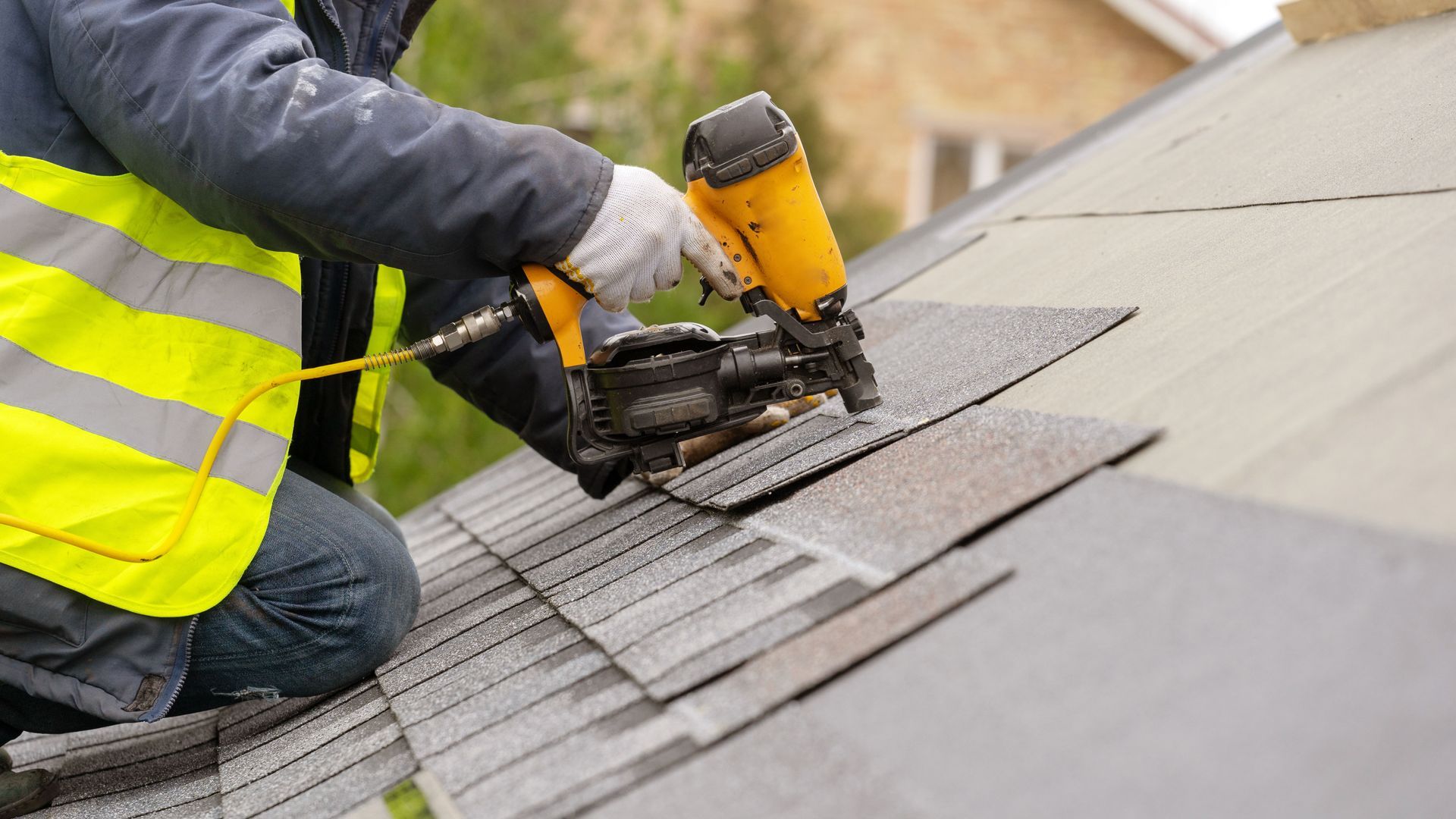
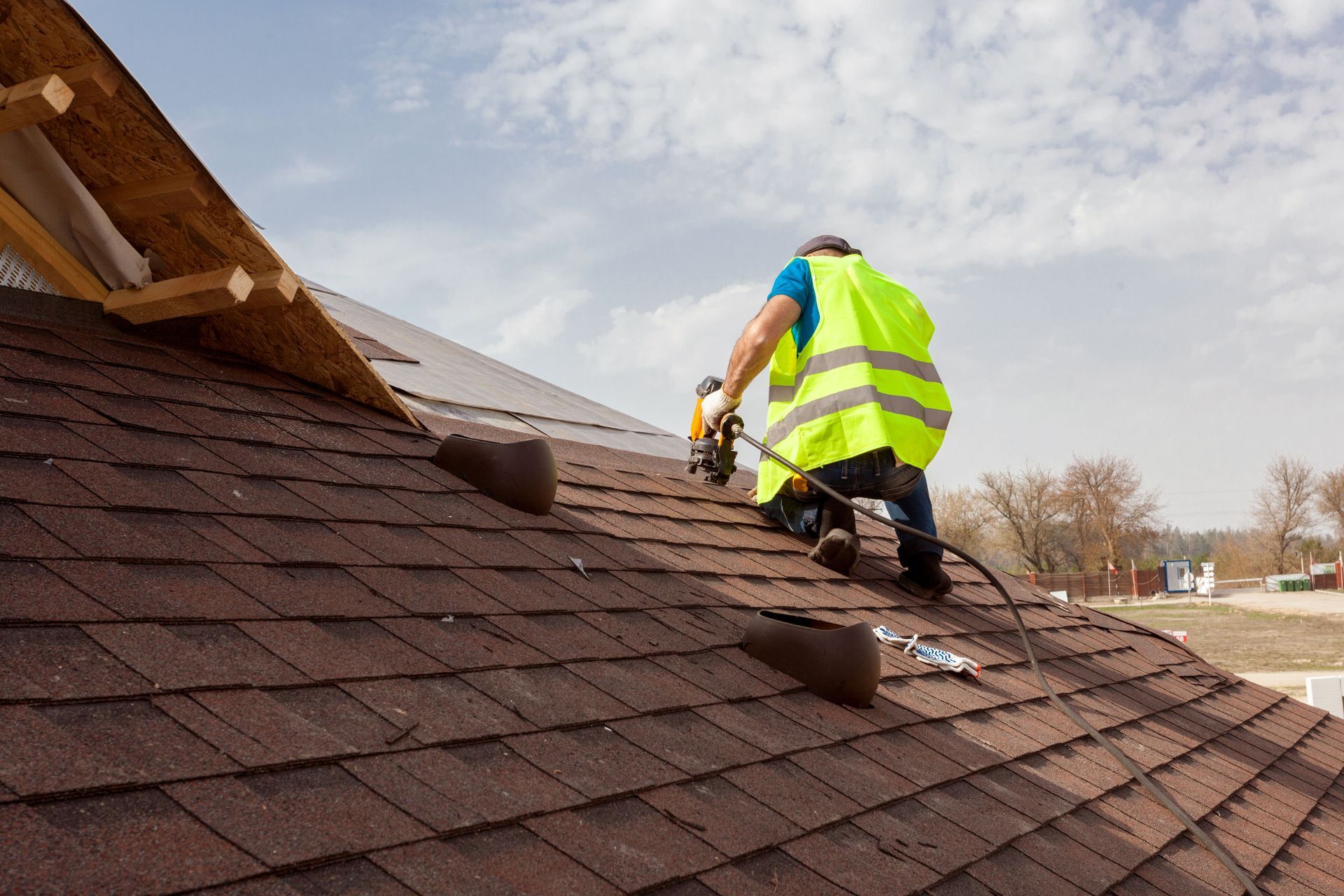
Proper roof installation is the most significant factor in keeping a warranty valid. Most manufacturers require that materials be installed according to their guidelines and by approved contractors — improper roof installation can void warranties entirely. Vetting contractors for experience, certifications, and reviews is a necessary step before any installation begins.
Regular maintenance is equally important. Most warranties outline upkeep requirements such as routine inspections and cleaning, and neglecting these can void coverage. Using only manufacturer-approved materials — from underlayment to sealants — is also typically required, and deviations from approved lists can nullify your warranty.
Environmental damage from extreme weather or natural disasters is usually excluded from standard warranties, so homeowners in high-risk climates should consider supplementary insurance. Unauthorized modifications to your roofing system can also void coverage, so always consult your contractor or manufacturer before making any changes.
Clear Up Common Misconceptions About Roofing Warranties
One of the most widespread misconceptions is that roofing warranties provide all-encompassing coverage. In reality, every warranty has limitations and exclusions that leave certain scenarios uncovered. Reviewing the fine print carefully ensures your expectations align with what the warranty actually delivers.
Another common misunderstanding is that warranty duration equals a roof's lifespan. Warranties cover manufacturing defects and specific performance issues, not natural wear and tear. A roof may still need maintenance or replacement before a long-term warranty expires, and longevity depends heavily on roof installation quality and local environmental conditions.
Homeowners also sometimes assume that all installation errors are automatically covered, but manufacturers' warranties address material defects while workmanship warranties cover installation faults within defined limits. Additionally, transferring ownership does not automatically void a warranty — many warranties include specific transfer provisions that preserve coverage for new owners when the proper steps are followed.
Choose and Use Your Warranty Wisely
Selecting the right warranty starts with comparing offerings across manufacturers and contractors, evaluating coverage terms, duration, exclusions, and transferability side by side. Consulting with a roofing professional adds valuable perspective, as experienced contractors can highlight quality differences between warranty packages and flag potential pitfalls related to roof installation.
Consider your future plans as well — how long you intend to stay in the home, whether you plan to sell, and what your local climate demands. Balancing cost against coverage ensures you're getting meaningful protection without overextending your budget. A well-chosen warranty should offer broad, practical coverage at terms that are financially sustainable.
When a warranty claim becomes necessary, document the issue thoroughly with photos and detailed notes, then contact the manufacturer or contractor promptly. Submit all required paperwork — including proof of purchase, registration records, and roof installation documentation — to avoid delays. If disputes arise, legal counsel can help clarify your rights and navigate the resolution process.
A roofing warranty is a vital part of homeownership that protects against unexpected expenses and supports long-term peace of mind. If you are ready to discuss making sure your roofing investment is fully protected, contact us at Design Roofing today. We will help you find the right warranty coverage for your home!